
As you navigate the labyrinth of coffee machine woes, your Delonghi device can suddenly transform into a puzzling enigma, leaving you bewildered and caffeine-deprived. But fear not! By methodically dissecting the problem, you’ll uncover the root cause and breathe new life into your morning brew. Start by scrutinizing the power cord and outlet, then consult your trusty user manual to gather clues. As you set out on this troubleshooting journey, you’ll soon discover that the solution lies in a harmonious balance of maintenance, adjustments, and clever detective work.
Contents
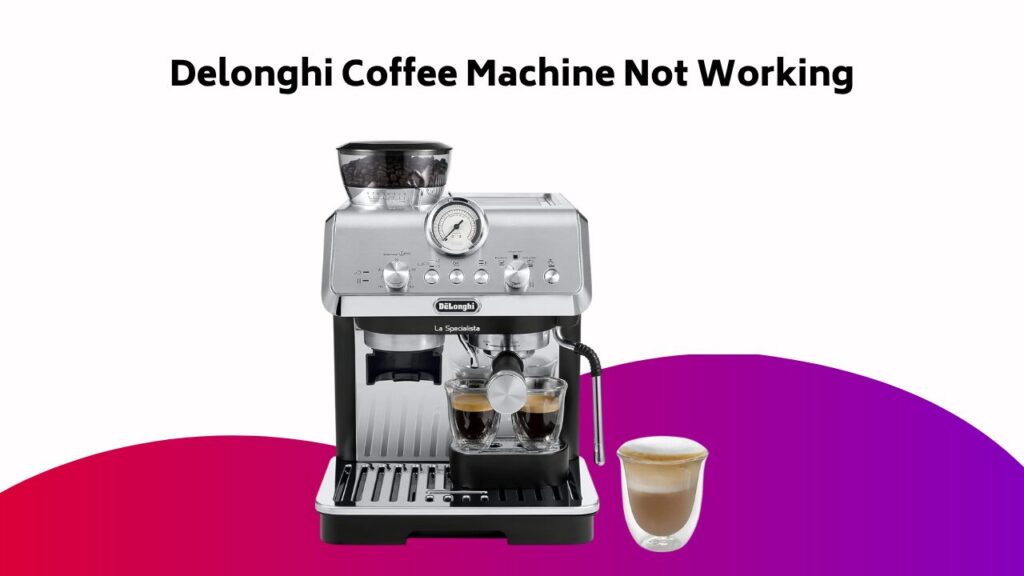
Understanding Your Delonghi Machine Components
Your Delonghi coffee machine is comprised of several key components that work together to deliver a perfect cup of coffee.
The Thermoblock Technology system provides precise temperature control, ensuring ideal brewing conditions.
Regular cleaning and maintenance of the removable water tank, bean container, control panel, and infuser unit are vital for proper function.
The adjustable coffee spout accommodates different cup sizes, preventing splashing and making it a convenient feature.
Understanding these components is essential for maintaining coffee quality and identifying potential issues that may affect your coffee machine’s performance.
Essential Diagnostic Steps
Since your Delonghi coffee machine is a complex appliance, it’s crucial to follow a structured approach when troubleshooting issues.
You’ll need to identify the problem, gather information, and isolate the cause. Start by checking the power cord and outlet, ensuring they’re functioning properly.
Next, consult your user manual to understand the machine’s normal operation and any error codes it may display.
Make a list of the symptoms and when they occur, as this will help you narrow down the possible causes.
Resolving Water and Steam Issues
With your Delonghi coffee machine’s basic functions checked, you’re ready to tackle water and steam issues that might be hampering its performance.
Check the water reservoir for blockages or mineral buildup, ensuring it’s clean and filled correctly. If steam is weak or non-existent, inspect the steam wand for lime scale accumulation, and descale the coffee maker with a recommended descaling solution.
Also, verify that the steam valve is open and functioning correctly. Addressing these potential issues should resolve water and steam problems, allowing your Delonghi coffee machine to operate efficiently and effectively.
Addressing Coffee Quality Problems
You’ve optimized your Delonghi coffee machine’s water and steam settings, but now it’s time to fine-tune the coffee quality.
To achieve the perfect cup, you’ll need to adjust the grind, troubleshoot poor extraction, and experiment with coffee strength settings.
Grind Adjustment Tips
Adjusting the grind of your Delonghi coffee machine is crucial to achieving the perfect cup, as it directly affects the flavor and quality of your coffee.
You’ll want to experiment with different grind settings to find the ideal one for your preferred coffee. A burr grinder is recommended over a blade grinder, as it produces a more consistent grind size.
If your coffee tastes bitter, try a coarser grind. If it’s too weak, try a finer grind. Remember to clean the grinder regularly to prevent old coffee oils from affecting the flavor of your brew.
Poor Extraction Issues
Coffee quality problems can be frustrating, especially when you’re not sure what’s causing the issue.
To troubleshoot poor extraction, you’ll need to identify the root cause. Start by checking the following:
- Coffee bean freshness: Old or stale beans can lead to poor extraction. Try using freshly roasted and ground beans to see if that resolves the issue.
- Water temperature: If the water is too hot or too cold, it can affect extraction. Verify your Delonghi machine is set to the ideal temperature range (between 195°F and 205°F).
- Tamping pressure: Inconsistent tamping can cause channeling, leading to poor extraction. Check your tamping technique and adjust as needed.
If you’ve checked these potential causes and still need support, refer to Delonghi’s troubleshooting resources for further guidance.
Coffee Strength Settings
Now that you’ve ruled out poor extraction as the cause of your coffee quality issues, it’s time to examine another key factor: coffee strength settings.
Adjusting the grinder to the ideal range of 3 to 5 can make a significant difference. Remember, a grind that’s too fine can lead to over-extraction, while a grind that’s too coarse can result in under-extraction.
Experiment with different coffee-to-water ratios to find your perfect balance. The Support Team recommends troubleshooting by adjusting these settings to resolve taste problems.
Fresh, high-quality beans can also greatly impact flavor and quality.
Troubleshooting Tips and FAQs
You can minimize DeLonghi coffee machine issues by following routine maintenance tasks and being aware of common problems that may arise.
Regular cleaning and descaling can prevent many issues, and understanding troubleshooting steps can help you resolve problems quickly.
Common Issues
Most DeLonghi coffee machine owners will encounter some issues during the lifespan of their device.
Looking for help with troubleshooting? You’re in the right place.
Regular cleaning and maintenance can prevent most problems, but if you’re already experiencing issues, don’t worry.
- Insufficient water pressure: Check for air in the system and try placing a cup under the frother and opening the steam valve.
- Poor extraction and taste issues: Adjust grind size, coffee strength, and water temperature to resolve.
- Machine not working: Try resetting the machine to default settings by turning the steam dial to the on position and pressing the one-shot button.
Machine Maintenance
Proper machine maintenance is essential to extending the lifespan of your DeLonghi coffee machine and preventing issues.
You should perform daily rinses and weekly cleaning of the brewing unit with water only to avoid coffee residual buildups.
Following a regular cleaning and descaling policy can prevent most problems. Use Eco MultiClean to remove milk residue and clean external parts, and EcoDecalk for descaling.
Troubleshooting Steps
About 75% of issues with DeLonghi coffee machines can be resolved through simple troubleshooting steps.
By following a systematic approach, you can quickly identify and fix common problems.
To help, try these steps:
- Check for limescale buildup: Descaling the machine using a descaling solution can often resolve issues if it stops working.
- Reset the machine: Turn the steam dial to the on position and press the one-shot button to reset the machine to default settings.
- Consult warning indicators: Pay attention to warning lights or messages on your machine, as they can indicate specific problems that need attention.
Preventing Future Issues With Regular Maintenance
You can guarantee your Delonghi coffee machine continues to function at its best by incorporating regular maintenance into your daily and weekly routine.
Daily rinses help with your coffee by preventing residual buildups. Clean removable accessories regularly to maintain performance and prevent clogs.
Every week, clean the Brewing unit with water to remove residue and scale. Use Eco MultiClean to remove milk residue and clean external parts.
Regular descaling with EcoDecalk extends the machine’s life and preserves energy efficiency. By following these steps, you’ll certify your DeLonghi Appliances continue to provide you with perfect cups of coffee, and you’ll verify your DeLonghi Appliances continue to provide you with perfect cups of coffee.
Frequently Asked Questions
Why Is My Delonghi Coffee Machine Not Brewing?
You’re wondering why your coffee machine isn’t brewing? Check for clogged waterways, as mineral buildup can block water flow. Also, inspect the thermostat – a faulty one might prevent the machine from reaching the ideal brewing temperature, hindering the brewing process.
How Do I Reset My Delonghi Coffee Machine?
To reset your coffee machine, you’ll restore coffee settings to default, ensuring ideal machine maintenance. Simply turn the steam dial to “on” and press the one-shot button, instantly reviving your brewer to its original peak performance.
Why Is My Delonghi Coffee Machine Not Pushing Coffee Through?
You’re likely experiencing issues with coffee flow due to clogged pipes or a faulty pump. Check the machine’s tubes and pipes for blockages, and inspect the pump for signs of wear or damage to resolve the problem.
What Is the Common Problem of a Coffee Machine?
You’re stuck in a never-ending coffee crisis, wondering why your brew’s gone bitter. Newsflash: it’s not you, it’s your machine! Common problems include coffee quality issues from clogged filters or worn-out seals, and neglecting machine maintenance tips, like descaling and cleaning.
Conclusion
You’ve made it to the finish line! With your Delonghi coffee machine troubleshooting skills, you’re now a master brewer, capable of diagnosing and fixing issues like a pro. Remember, regular maintenance is the key to a smooth operation, and a clean machine is a happy machine. By following these troubleshooting steps, you’ll be sipping on a perfect cup of coffee in no time, and your Delonghi machine will be humming like a well-oiled machine, purring with satisfaction.