
Did you know that up to 75% of upflush toilet issues can be prevented with regular maintenance? You’re not alone if you’re experiencing problems with your upflush toilet, but identifying and addressing them promptly can save you from costly repairs and a world of frustration. Leaks, macerator failure, and blockages are just a few common issues that can cause water damage, mold growth, and foul odors. Let’s dig in to troubleshoot and get your upflush toilet running smoothly again.
Contents
- Key Working Components Of An Upflush Toilet
- The Upflush Toilet Macerating Process
- Leaking Issues And Troubleshooting
- Macerator Failure And Solutions
- Noise And Vibration Problems
- Foul Odor Causes And Remedies
- Common Issues With The Macerator Pump
- Debris Blockages And Clogged Pipes
- Frozen Pipes And Winterizing The System
- Maintenance Tips For Optimal Performance
- Frequently Asked Questions
- Conclusion
Key Working Components Of An Upflush Toilet
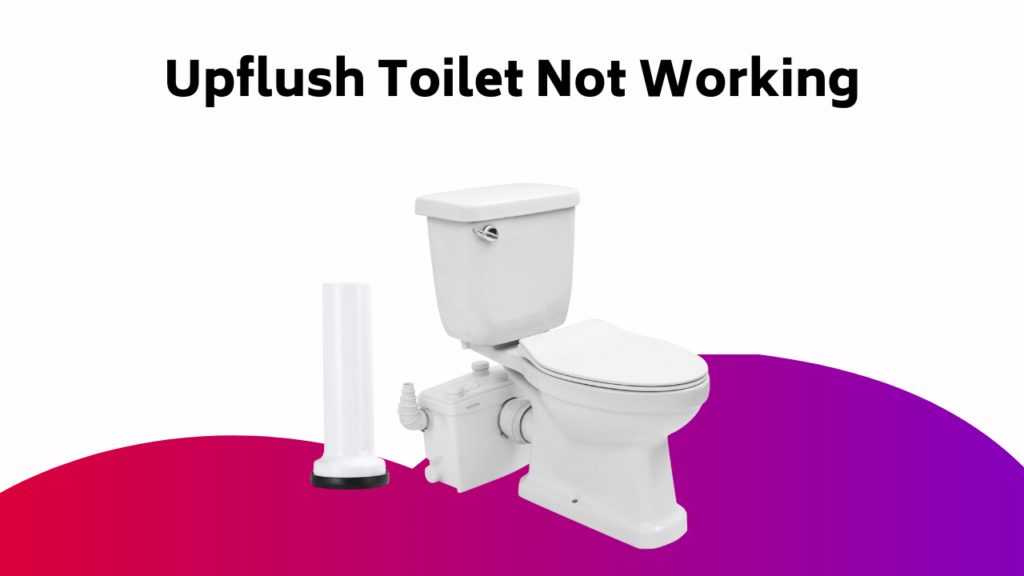
The upflush toilet’s reliability and efficiency hinge on four critical components working in harmony. You’re responsible for guaranteeing these components operate seamlessly.
At the heart of the upflush toilet system is the macerator pump, which grinds waste into slurry with its efficient electric motor.
The discharge pipe transports this slurry away from the toilet, while a check valve prevents backflow into the pump. This unidirectional valve guarantees a hygienic and efficient operation.
With these four components – toilet bowl, water tank, macerator pump, and discharge pipe – you get a reliable and efficient waste disposal solution.
The Upflush Toilet Macerating Process
When the flushing process begins, a complex series of events is set in motion within the upflush toilet’s macerating system.
You’ll notice that the macerator pump plays a vital role in this process.
- Water Flow: Water flows into the macerator pump, triggering a pressure sensor that detects the rising water level and activates the motor.
- Maceration: The motor supplies power to the blades that grind waste into a slurry, which is then pumped out via the waste discharge pipe.
- Waste Disposal: The system guarantees a one-way flow of waste, disposing of it into the main drain line.
The entire process is designed to minimize odor and mess.
Leaking Issues And Troubleshooting
You’ll need to identify where the leak is coming from and fix the source to prevent further water damage and unpleasant odors.
Start by inspecting the toilet’s connections, flanges, and gaskets for signs of wear or damage. Once you’ve pinpointed the leak, you can take action to repair or replace the faulty component.
Identifying Leaks
Leaks in your upflush toilet can be frustrating and costly, leading to water damage, mold growth, and increased water bills.
To identify leaks, check for these signs:
- Water droplets under the toilet: Look for water droplets or puddles forming under the toilet, indicating a leak in the flange or wax ring.
- Toilet bowl water level: Check the water level in the toilet bowl, if it’s consistently low, it may indicate a leak in the tank or bowl.
- Running water sound: Listen for a continuous running water sound, which could signal a leak in the flush valve or fill valve.
Investigate these potential leak sources to prevent further damage.
Fixing Leak Sources
Identifying the source of the leak is only half the battle; now it’s time to take action and fix the issue. You’ll need to replace internal water tank seals or external pump components if they’re faulty. Worn-out or damaged rubber membranes or microswitches can also be replaced. Regular maintenance, like descaling and cleaning, can prevent scale buildup and minimize leak risks.
| Leak Source | Cause | Fix |
|---|---|---|
| Internal water tank | Seal failure | Replace seals |
| External pump | Leak or damage | Replace pump components |
| Rubber membrane/microswitch | Wear or damage | Replace membrane/microswitch |
Macerator Failure And Solutions
One of the most critical components of an upflush toilet system is the macerator, a device responsible for breaking down waste and toilet paper into a fine slurry.
If it fails, you’ll face problems like foul odors and clogs.
To troubleshoot macerator failure, check for:
- Clogged pump: Verify the pump is clear of debris and functioning correctly.
- Incorrect water level: Adjust the water level to guarantee proper maceration.
- Inadequate hot water supply: Verify that hot water is flowing into the system to facilitate effective maceration.
If you’ve checked these potential issues and the problem persists, it may be time to consider replacing the macerator or consulting a professional.
Noise And Vibration Problems
When you’re experiencing noise and vibration problems with your upflush toilet, you’re likely to hear humming noises, gurgling sounds, or feel vibrations during a flush.
These issues can be caused by a range of factors, from blockages in the macerator blades to worn-out or damaged internal components.
Humming Noise Causes
Humming noises from an upflush toilet can be a source of frustration, disrupting the quiet operation of your bathroom.
If you’re experiencing this issue, it’s essential to identify the cause to prevent further problems.
Here are three common causes of humming noises in upflush toilets:
- Debris in the trap way: Small rocks or pebbles can cause the macerator to vibrate and produce a humming noise.
- Improper piping or installation: Incorrectly installed or piped systems can lead to humming noises in the upflush toilet system.
- Faulty or worn-out internal components: Worn-out impellers or blades of the macerator can also cause humming noises.
Gurgling Sounds Solutions
Since you’ve ruled out humming noises, let’s tackle gurgling sounds, another common issue with upflush toilets that can be just as annoying.
Gurgling sounds often occur when air is trapped in the system, causing water to flow unevenly.
Check your toilet’s vent pipe to verify it’s not clogged, as this can cause airlock issues. Also, inspect the water system is running properly, as low water pressure can lead to gurgling.
You may need to adjust the pressure or clean the vent pipe to certify this common problem with your toilet.
Vibrations During Flush
As you’ve checked off gurgling sounds from your troubleshooting list, it’s now time to address vibrations during flush, another noise and vibration problem that can be disturbing.
When you notice vibrations during flush, it’s likely due to issues with the water system.
- Loose or damaged mounting system: Check if the toilet is securely fastened to the floor.
- Imbalanced water flow: Guarantee the water flow is even and not Making A Loud noise.
- Clogged or restricted pipes: Inspect the pipes for blockages or kinks that might cause vibrations during flush.
Foul Odor Causes And Remedies
Foul odors can be a persistent issue in upflush toilets, despite their design to minimize odor.
To make sure you minimize foul odors, regular maintenance is key. Check and clean the vent pipe to prevent clogs and odors.
Scale buildup in the tank can also cause foul odors, so make sure to descale the toilet periodically. Additionally, deep clean the macerator to prevent a build-up of human waste and limescale.
Using hot water to clear debris and unclog waste pipes can also help eliminate foul odors. Regular maintenance and cleaning can go a long way in minimizing foul odors in your upflush toilet.
Common Issues With The Macerator Pump
You’ll likely encounter two common issues with your upflush toilet’s macerator pump: it failing altogether or clogging the discharge pipes.
Macerator pump failure can be caused by worn or damaged blades, faulty motors, or electrical issues.
If you’re experiencing issues with your upflush toilet, it’s essential to identify and address these problems promptly to prevent further complications.
Macerator Pump Failure
When your upflush toilet’s macerator pump fails, it’s essential to identify the root cause to restore proper function.
First, turn off the power to the pump to prevent further damage.
Then, investigate the possible causes of the failure.
- Clogged intake tube: Remove any blockages and clean the tube to guarantee proper flow.
- Stuck or worn-out rubber membrane: Inspect and replace the membrane if necessary.
- Faulty microswitch: Check the microswitch and replace it if it’s malfunctioning.
Clogged Discharge Pipes
Clogged discharge pipes are a common issue that can cause your macerator pump to malfunction or fail altogether.
When the system is running, it’s essential to guarantee the discharge pipes are clear of debris and blockages. Check the pipes for signs of clogging, such as slow draining or unusual noises.
Use a pipe snake or plumber’s auger to clear any blockages. If the issue persists, it may be necessary to replace the discharge pipes entirely.
Regular maintenance and inspections can help prevent clogged discharge pipes and keep your macerator pump running smoothly, thereby certifying that it continues to function properly.
Debris Blockages And Clogged Pipes
At least 80% of upflush toilet issues stem from debris blockages and clogged pipes.
You’re likely dealing with a blockage if your toilet is backing up or not flushing properly. To diagnose the issue, you’ll need to perform a Pipe Inspection.
- Flushing non-biodegradable items: Avoid flushing items like wet wipes, sanitary products, or paper towels, as they can get stuck in your pipes.
- Tree roots or mineral buildup: Tree roots can infiltrate your pipes, causing blockages, while mineral buildup can restrict water flow.
- Improperly installed or damaged pipes: If your pipes are damaged or weren’t installed correctly, they can clog easily.
Frozen Pipes And Winterizing The System
Frozen pipes are a common issue in cold climates, affecting nearly 1 in 5 homes.
As winter approaches, you’ll want to take preventative measures to guarantee your upflush toilet system doesn’t freeze.
Start by insulating exposed pipes in unheated areas like the garage or basement.
Disconnect and drain hoses from outdoor faucets, and consider installing freeze-proof faucets.
Winter prep also includes letting cold water drip from faucets served by exposed pipes, and opening cabinet doors under sinks to allow warm air to circulate.
Maintenance Tips For Optimal Performance
You’ve invested in an upflush toilet system, and now it’s essential to maintain it properly to guarantee peak operation and prevent costly repairs.
To keep your system running smoothly, follow these maintenance tips:
- Stick to a descaling schedule: Regular descaling of the tank every 3-6 months prevents scale buildup and maintains prime performance.
- Inspect and clean the vent pipe: Annual checks prevent clogs and certify proper airflow, reducing the risk of macerator failure.
- Perform routine checks: Regularly inspect the microswitch and rubber membrane to identify and address potential issues before they cause problems.
Frequently Asked Questions
What Are the Problems With Upflush Toilet Systems?
You may encounter issues with your toilet system, including clogging issues, constant running, foul odors, and loud noises, which can be caused by faulty parts, debris, or improper installation, requiring prompt troubleshooting and maintenance to prevent further complications.
What Is the Life Expectancy of an Upflush Toilet?
You’re building a strong foundation, brick by brick, and your upflush toilet is no exception. On average, you can expect toilet longevity of 10 to 15 years, but with proper maintenance, it can last up to 20 years or more, beating traditional toilets’ lifespan.
Is There a Reset Button on a Saniflo Toilet?
You won’t typically find a dedicated reset button on a Saniflo toilet. Instead, check the alarm module, usually located on the rear or side of the unit, where you’ll find a small button to silence alarms or reset fault codes.
Why Is My Macerator Toilet Not Emptying?
You’re wondering why your macerator toilet won’t empty? It’s likely due to a clogged impeller, stuck macerator, or blockage in the discharge pipe. Check and clear the pipe, and inspect the impeller for debris – fixing these issues should get your toilet working again.
Conclusion
You’ve navigated the troubleshooting landscape of your upflush toilet, and now you’re equipped to tackle any issue that comes your way. Think of your toilet like a well-oiled machine – each component working in harmony to keep your bathroom running smoothly. By staying on top of maintenance and addressing problems promptly, you’ll avoid costly repairs and keep your toilet humming like a finely-tuned orchestra, ensuring a harmonious relationship between you and your plumbing system.